Frank Bowling: Driven to Draw

Spanning more than sixty years, this exhibition brings together works from Frank Bowling's personal archive, offering a rare and intimate insight into the role drawing has played throughout his practice.
Book your ticket
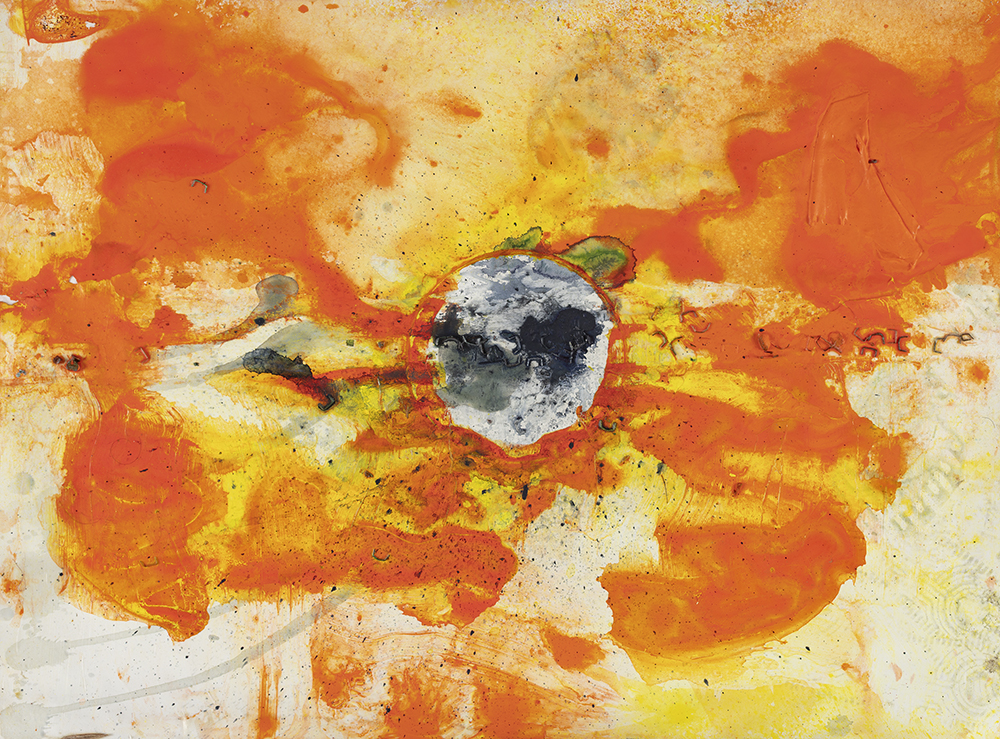
Frank Bowling, Untitled Orange Circle, 2026

Visit

Open to view

25 June – 22 August 2026
Mon–Fri 10am–5pm & Sat 10am–4pm

Price

Free entry, or £7.50 donation welcome. Booking required

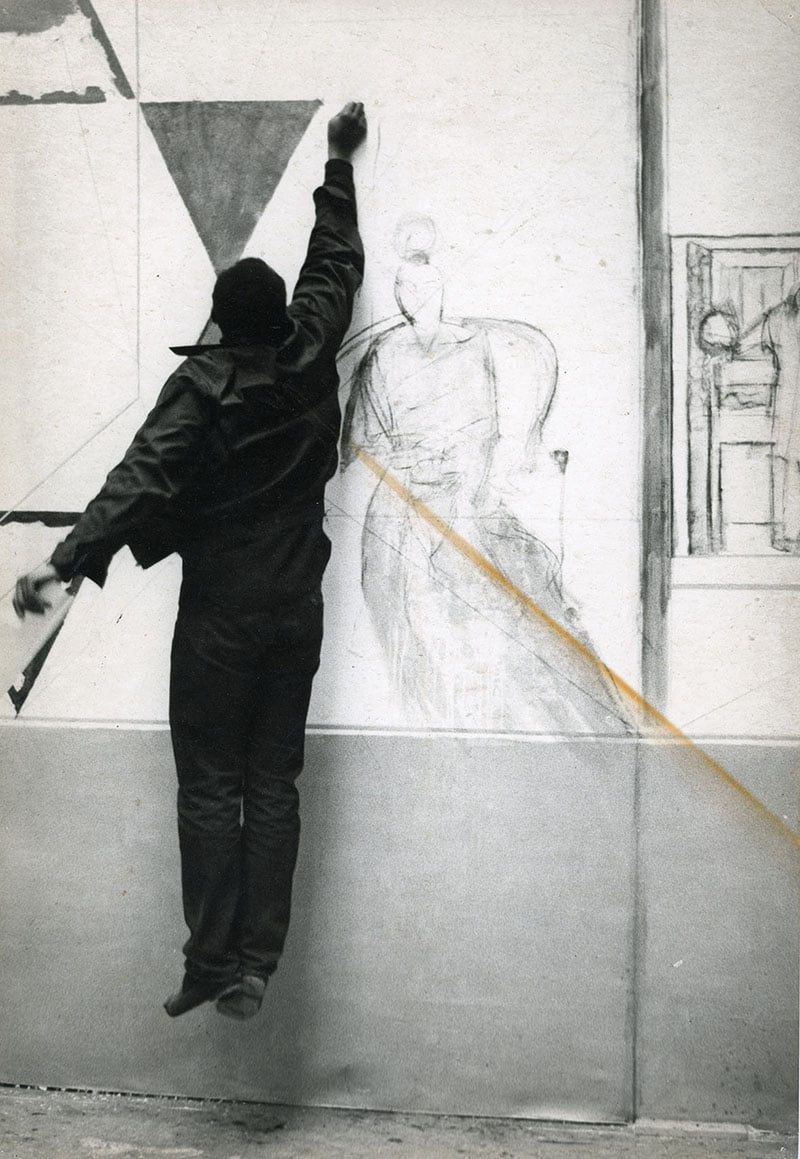
Frank Bowling working on Execution of Mary Queen of Scots_Photo by Tony Evans
Frank Bowling working on Execution of Mary Queen of Scots, 1963 Photo: Tony Evans © Estate of Tony Evans. Courtesy Frank Bowling Archive

This summer, the Royal Drawing School presents Frank Bowling: Driven to Draw, an exhibition dedicated to the drawing practice of Sir Frank Bowling OBE RA, one of the most significant artists of his generation.

Spanning more than sixty years, the exhibition brings together works drawn from the artist’s personal archive, offering a rare and intimate insight into the role drawing has played throughout his life and practice.

Widely celebrated for his monumental abstract paintings, Bowling has consistently used drawing as a vital means of thinking, experimenting and recording ideas. As his son Ben Bowling recently reflected, drawing is for Bowling a “first order activity” — a fundamental human need, akin to eating and breathing, and a primary way of communicating. This exhibition reveals that instinctive and lifelong relationship with drawing, tracing the development of his visual language from his student years to the present day.

The exhibition is organised by the Royal Drawing School in collaboration with the Frank Bowling Studio and the Frank Bowling Foundation.

The exhibition is kindly supported by The Maria Manetti & Jan Shrem Foundation

Booking and tickets

Admission is free; however a £7.50 donation is warmly welcomed to help us keep drawing tuition and exhibitions accessible to all

Booking is essential and can be made here.


Exhibition catalogue / sketchbook

A specially produced publication accompanies the exhibition, designed as both catalogue and sketchbook. Featuring an introduction to Frank Bowling’s drawing practice alongside works from the exhibition, it also includes blank pages that invite visitors to draw within the book during or after their visit — encouraging a direct and personal engagement with drawing.

The catalogue is £15, It is available to purchase online with your tickets and can be collected on site during your visit.

Drawing in the gallery

As a drawing school, we see our exhibition spaces as active sites for learning. Students and visitors alike are encouraged to draw and take inspiration from the work on display.

Free drawing materials will be available in the gallery, inviting everyone to engage directly in drawing during their visit. Alternatively, visitors can purchase a sketchbook catalogue to continue their drawing beyond the space.

School resources
Free online and printed Key Stage 3 and 4 resources will also be available, supporting young people in developing their drawing practice.

Related events

Alongside the exhibition we are hosting an online conversation and an interactive drawing event. Find out more below.

Exhibition sections

Early drawings
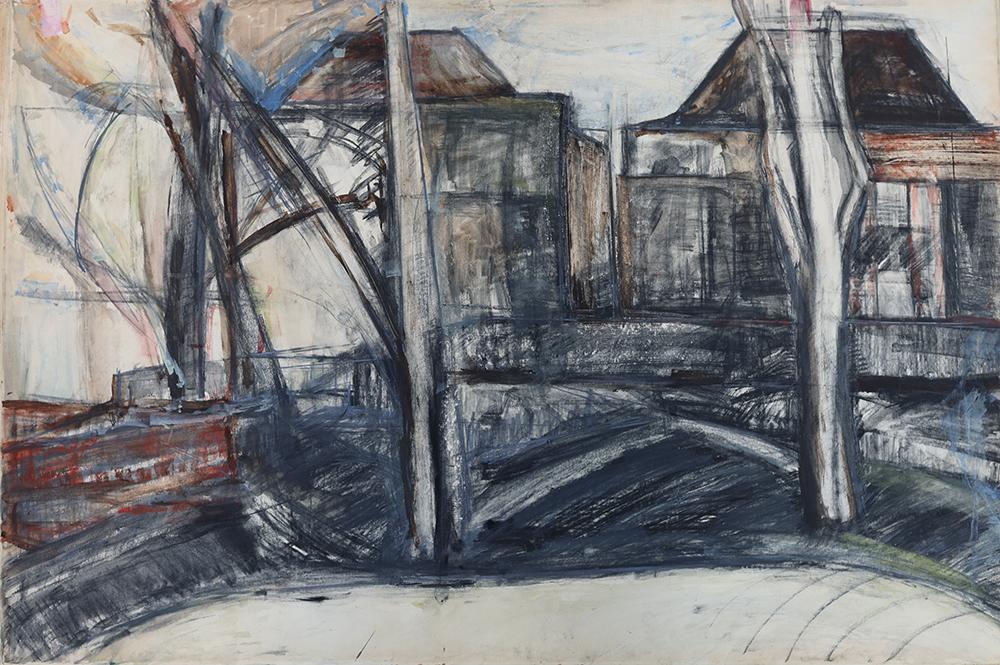
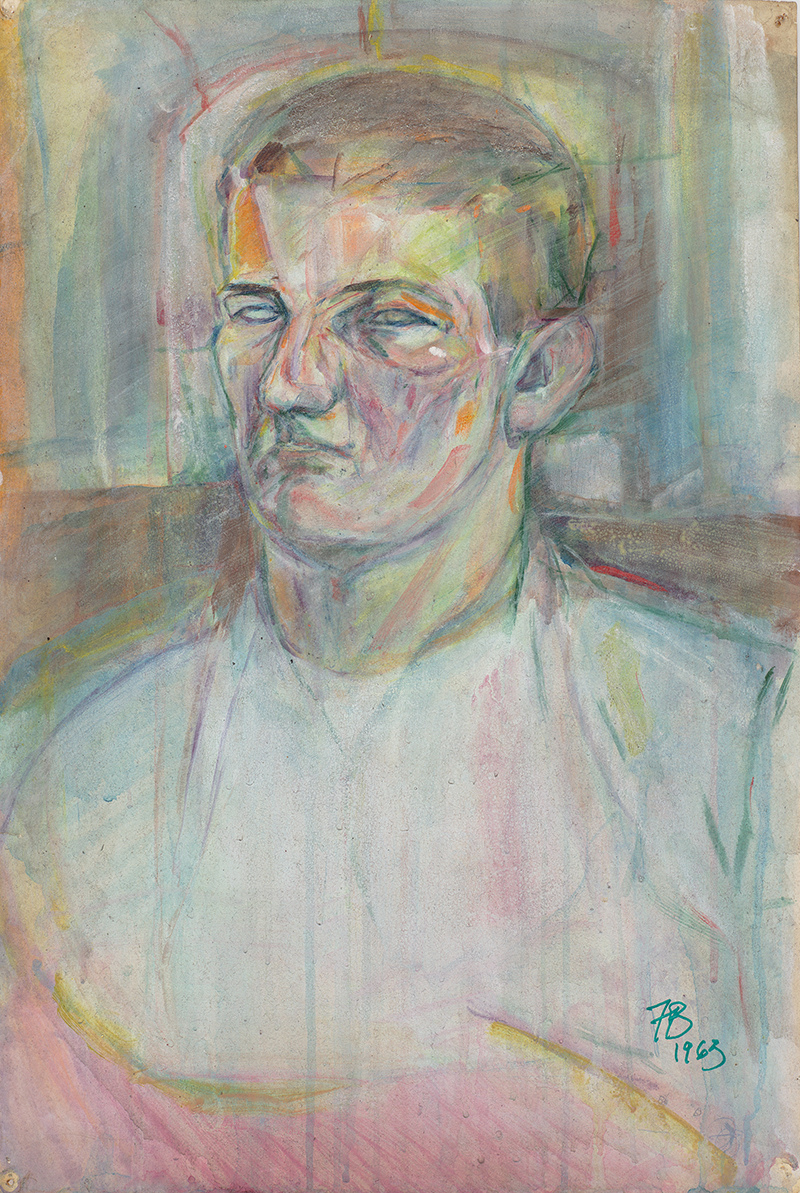
The first section focuses on works made during Bowling’s years as an art student in the late 1950s and early 1960s. These early drawings reveal a remarkable range of approaches, from close observational studies to experimental mark-making and investigations of surface.

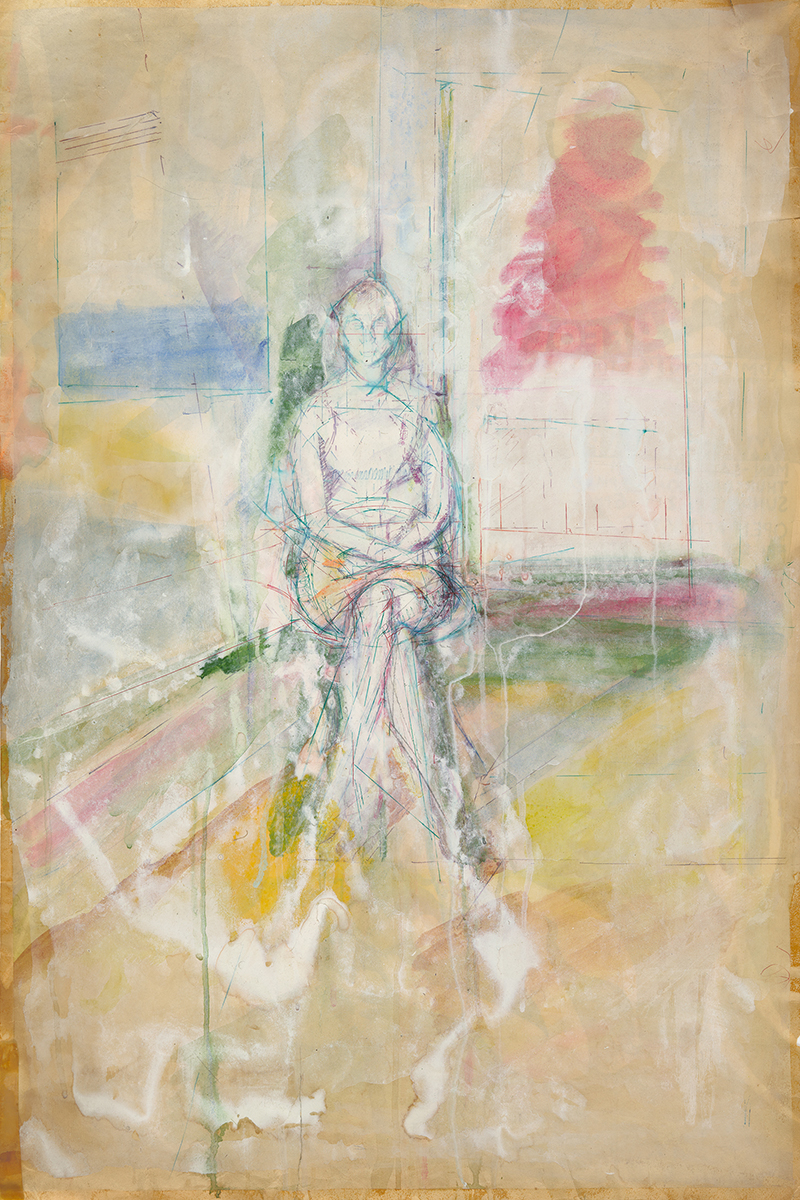
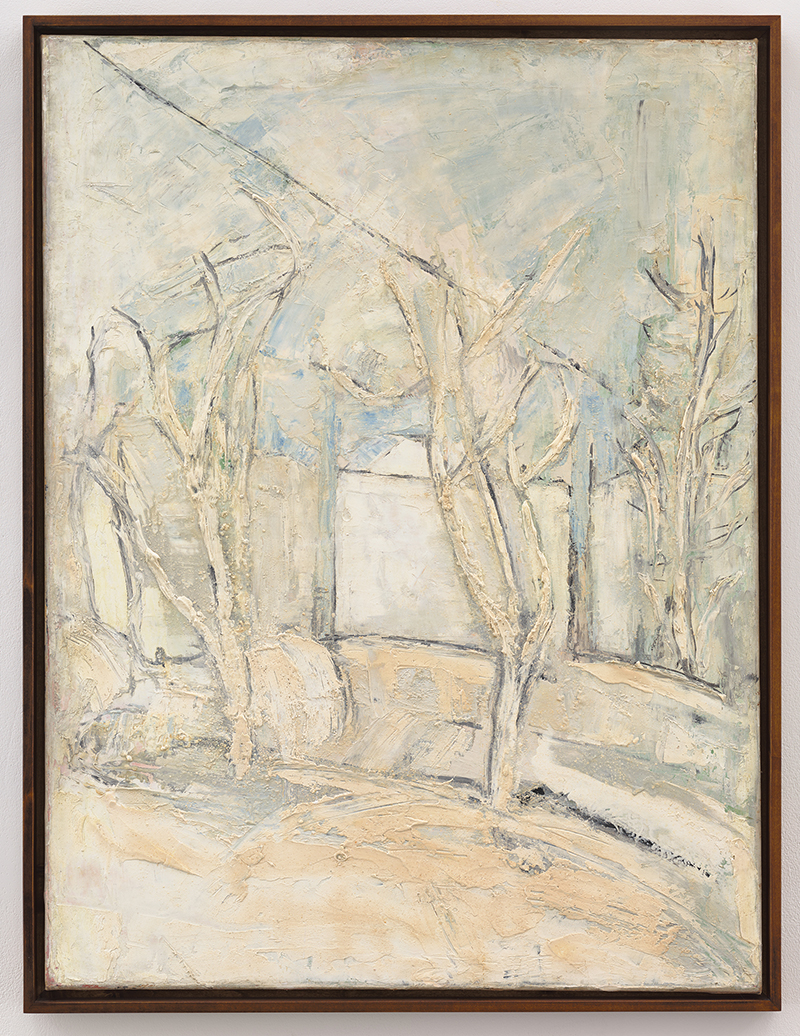
Drawings from the life room highlight the importance of observation and the fundamentals that remain central to the Royal Drawing School’s teaching today. Preparatory works are shown alongside related paintings, demonstrating the movement from observation into painterly expression, alongside portraits and figure studies from this formative period.
Expanded drawings

The second section charts the expansion of Bowling’s drawing practice from the mid-1960s onwards. During this period, he engaged with themes of identity, place and popular culture.

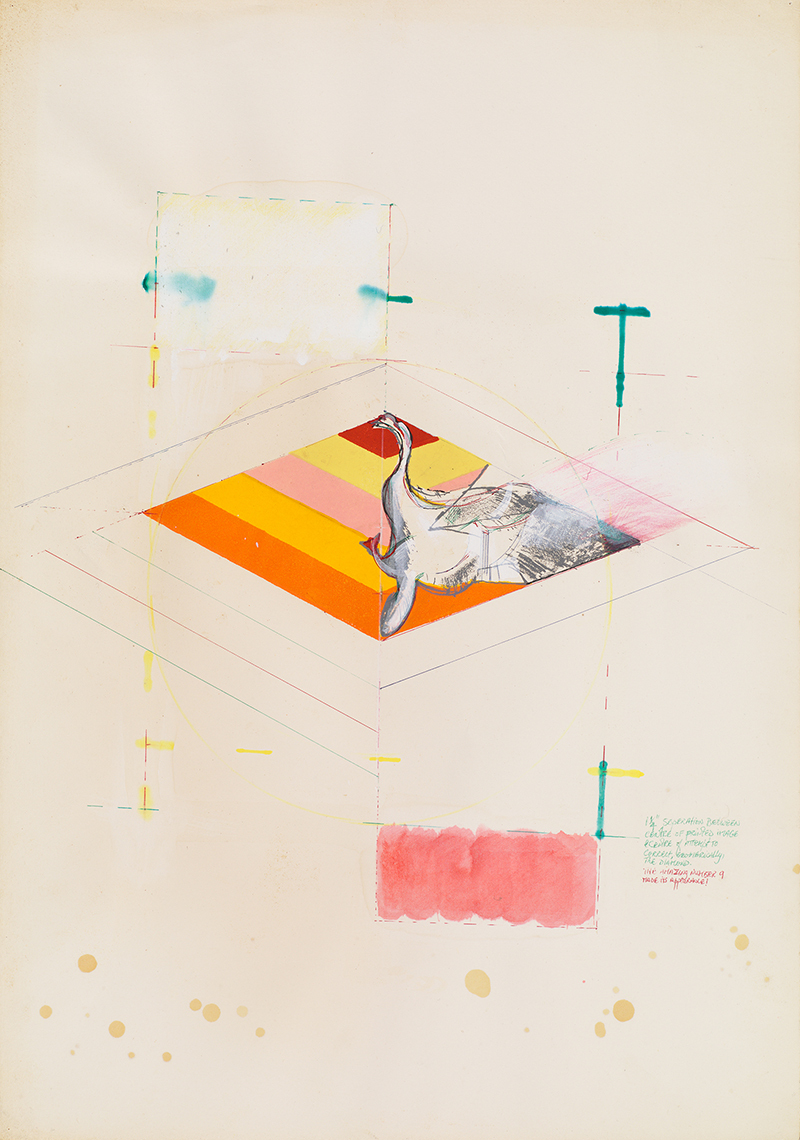
Recurring motifs — including the swan — are traced across drawing, print and painting, revealing the evolution of ideas across media. Other works explore deeply personal narratives, including pieces relating to the artist’s mother. Early map cut-outs point to the beginnings of the visual language that would later define his celebrated abstract paintings, while experiments with collage and cut forms demonstrate the breadth and inventiveness of his approach to drawing.

Drawings: 1980s – Now
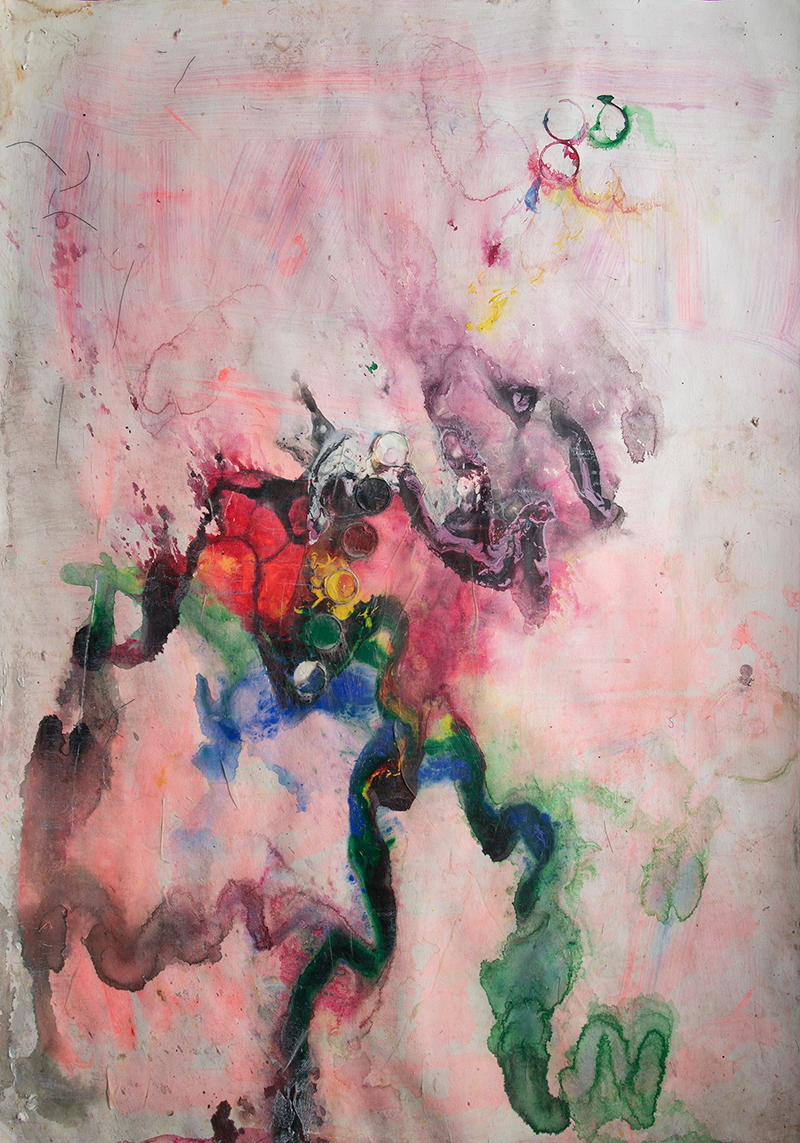
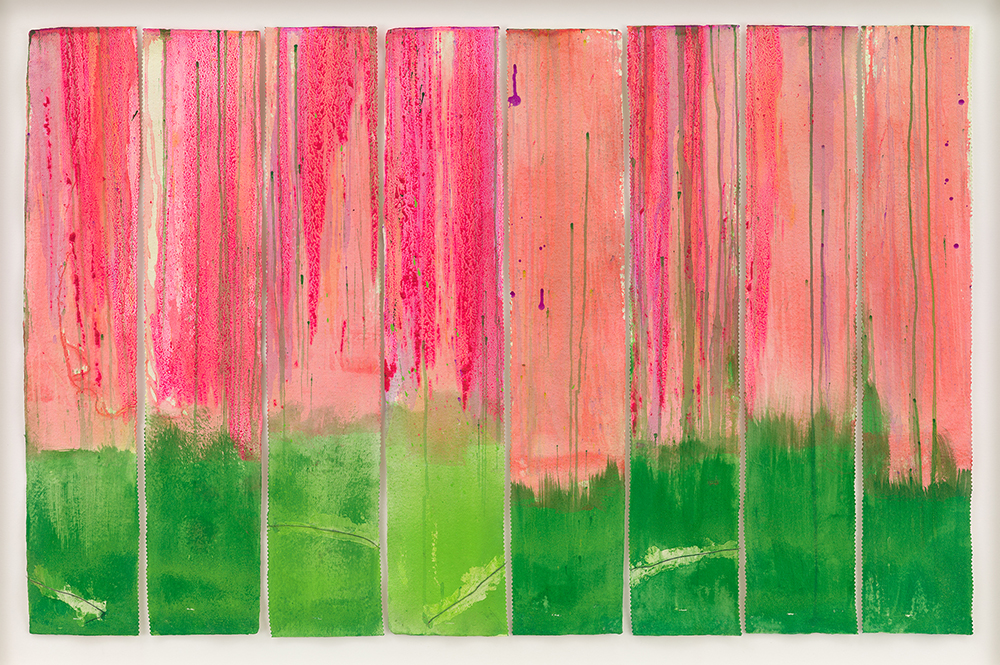
The final section brings together works from the 1980s to the present day, reflecting Bowling’s sustained engagement with abstraction. These drawings reveal an ongoing exploration of material, gesture and process, positioning drawing as a continuous space for experimentation and discovery throughout his later career.
Full image credits

Carousel, left to right:

  • Frank Bowling, Untitled, c.1960, charcoal and graphite on paper, 61.5 x 92.5 cm. Courtesy the artist. Photographed by Frederik Bowling © Frank Bowling. All rights reserved, DACS 2026

  • Frank Bowling, Untitled, c.1961, watercolour on paper, 75.8 x 50.3 cm. Courtesy the artist. Photographed by Anna Arca © Frank Bowling. All rights reserved, DACS 2026

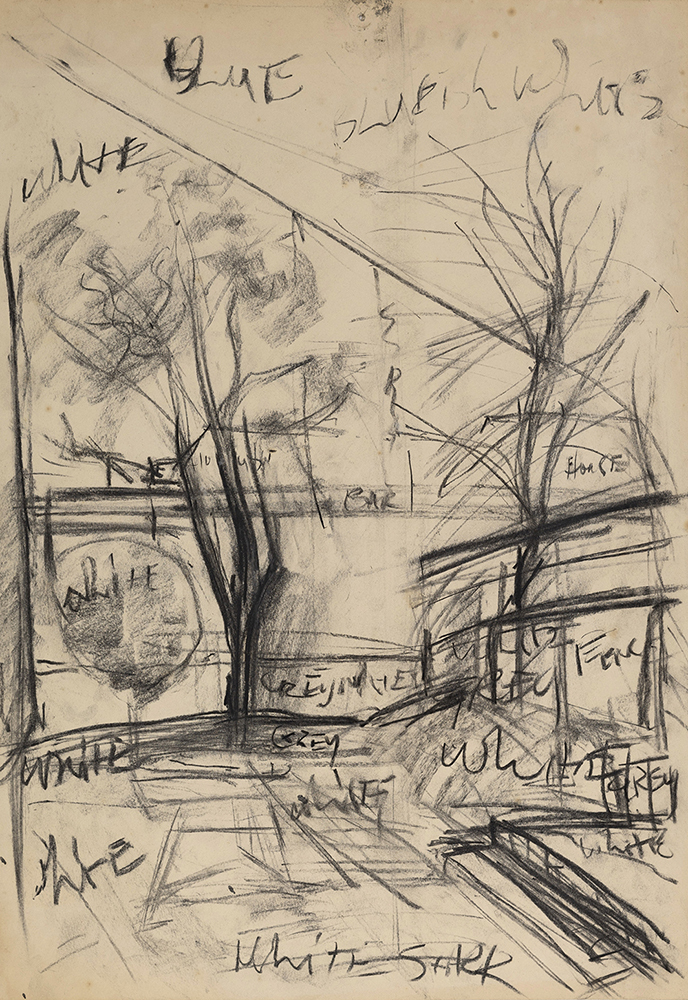
  • Frank Bowling, Preparatory sketch for Snow Painting, 1961. @Frank Bowling. Courtesy Frank Bowling Archive.

  • Frank Bowling, Snow Painting, 1962, oil on canvas, 101.6 x 76.2 cm. Courtesy the artist. Photographed by Anna Arca © Frank Bowling. All rights reserved, DACS 2026

  • Frank Bowling, NOEL, 1963, acrylic on paper, 33.8 x 50.2 cm. Courtesy the artist. Photographed by Anna Arca © Frank Bowling. All rights reserved, DACS 2026

  • Frank Bowling, Swan: Geometric Observation 1, 1965, oil medium, pen and pastel on paper, 57.1 x 40 cm. Courtesy the artist. Unknown photographer © Frank Bowling. All rights reserved, DACS 2026

  • Frank Bowling, Benjamin Run, 2020, acrylic on paper, 99.5 x 69.5 cm. Courtesy the artist. Photographed by Sacha Bowling © Frank Bowling. All rights reserved, DACS 2026

  • Frank Bowling, Leafy, Acrylic on paper, 92.3 x 135 x 5.5 cm. Courtesy the artist. Photographed by Anna Arca © Frank Bowling. All rights reserved, DACS 2026


Top banner:

Frank Bowling, Untitled Orange Circle, 2026, acrylic on paper, 56.5 x 76 x 0.5 cm. Courtesy the artist. Photographed by Frederik Bowling © Frank Bowling. All rights reserved, DACS 2026

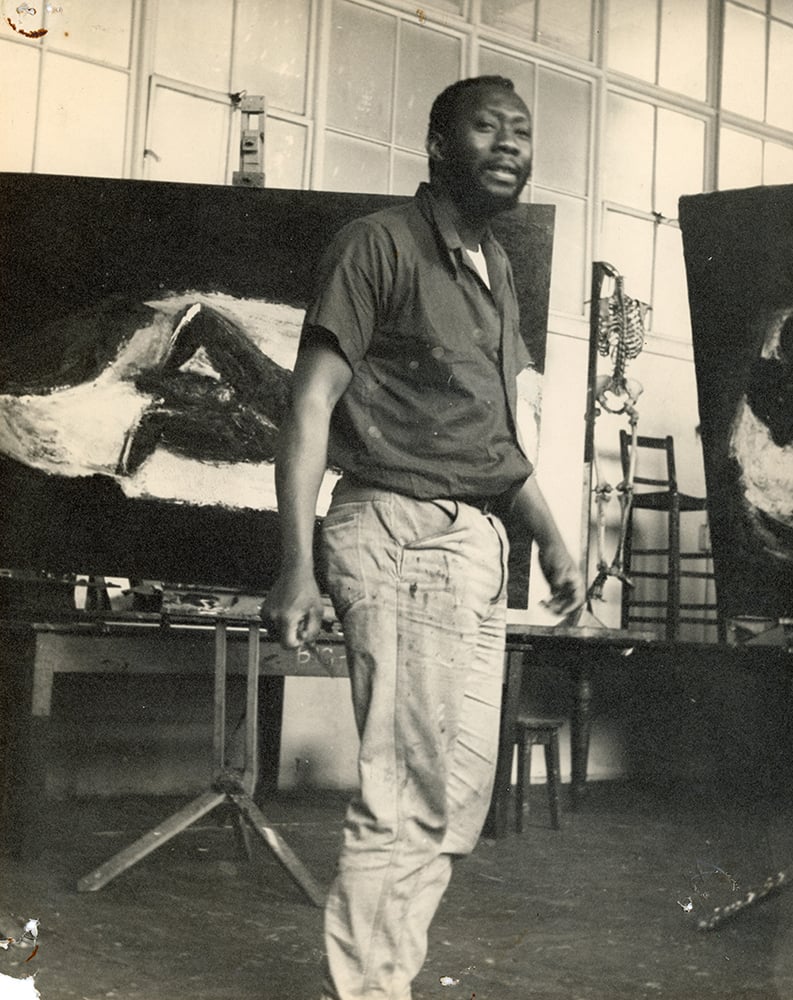
Frank Bowling in the liferoom at Royal College of Art by unknown photographer
Frank Bowling in the liferoom at the RCA, c.1960 Photo: unknown photographer. Courtesy Frank Bowling Archive

Frank Bowling: Biography

Born in Guyana in 1934, Sir Frank Bowling OBE RA graduated from the Royal College of Art, London in 1962. Moving to New York in 1966, Bowling made a conscious commitment to modernism in turning to abstraction. His focus on material, process and colour is discernible in his ‘Map’, ‘Pour’ and ‘Zipper’ series. 

In 2005, Bowling was elected a Royal Academician. He received a Knighthood in 2020 and was awarded the Wolfgang Hahn Prize in 2022. Recent solo presentations include the touring Mappa Mundi (2017–19), a major survey at Tate Britain (2019) and Frank Bowling’s Americas at the Museum of Fine Arts, Boston (2022–3). Bowling’s work is represented in over fifty public collections worldwide.

Working in the studio every day, Bowling’s mastery of paint continues to break new ground, driven by a restless reinvention of the painted plane.