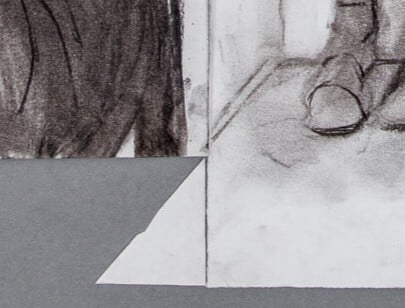
Expanding fragments Drawing exercise

Designed by tutor Dexter Orszagh, this exercise starts with a single paper fragment, then builds outward as you add and remove sheets, letting the composition evolve beyond a fixed format.
Find more drawing exercises
Turner-Daniel_25
Dexter Orszagh
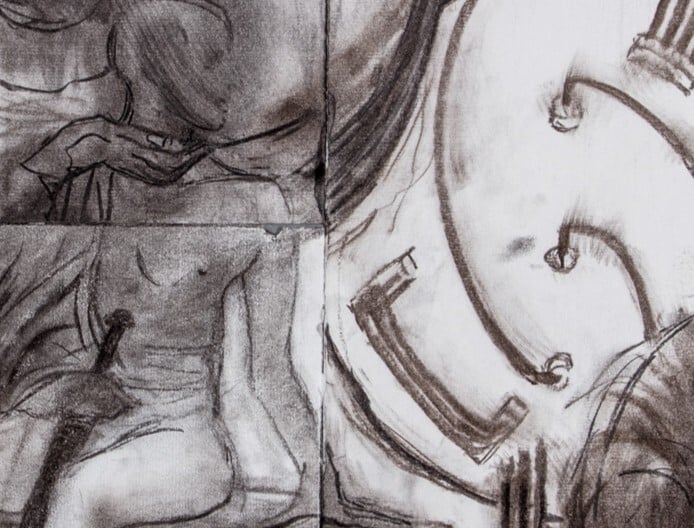
Dexter Orszagh Fragment 1
Dexter Orszagh
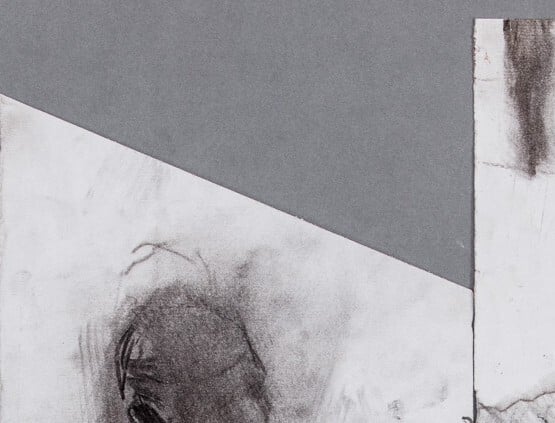
Dexter Orszagh Fragment 2
Dexter Orszagh
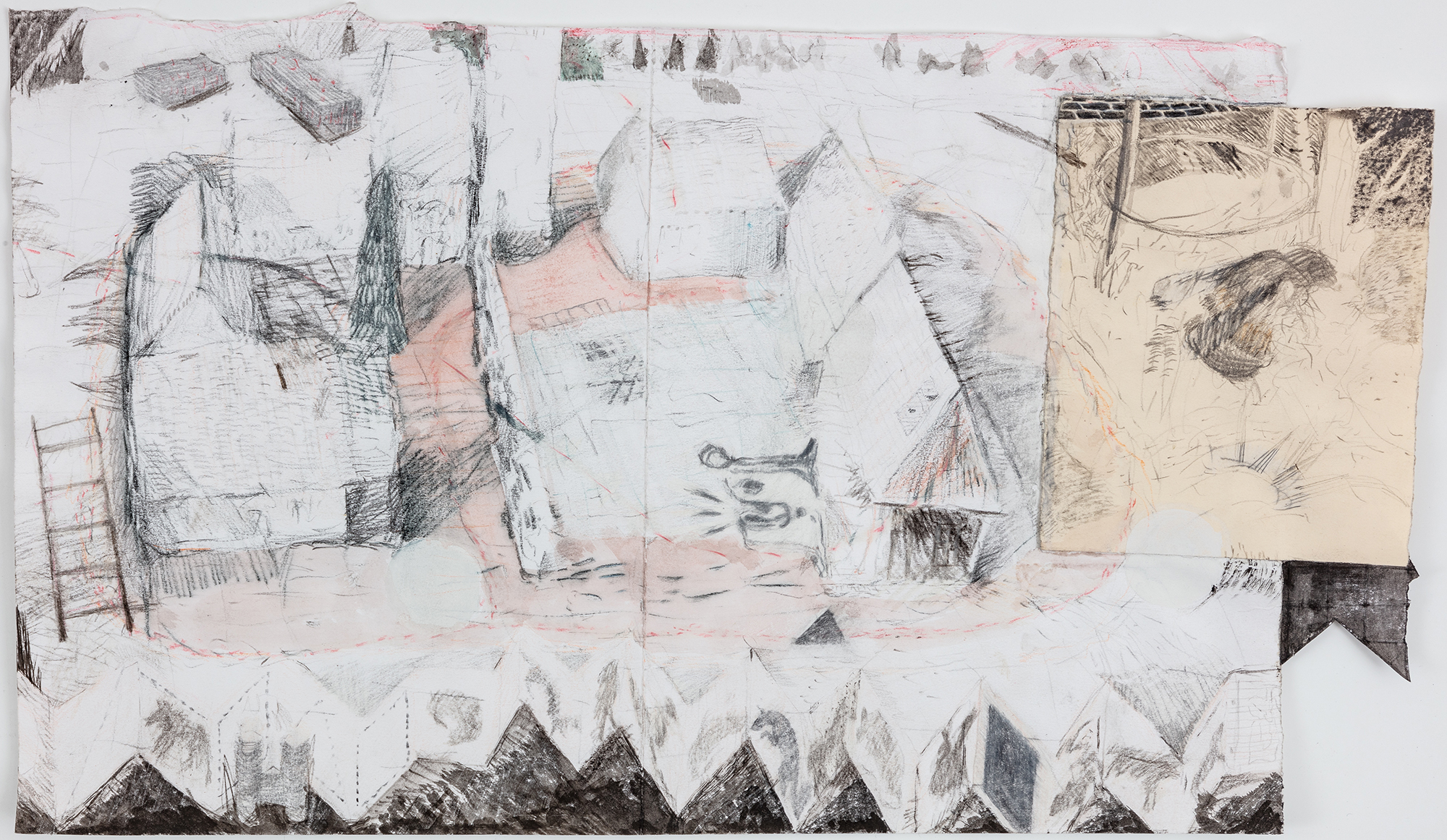
Dexter Orszagh Fragment 3
Dexter Orszargh
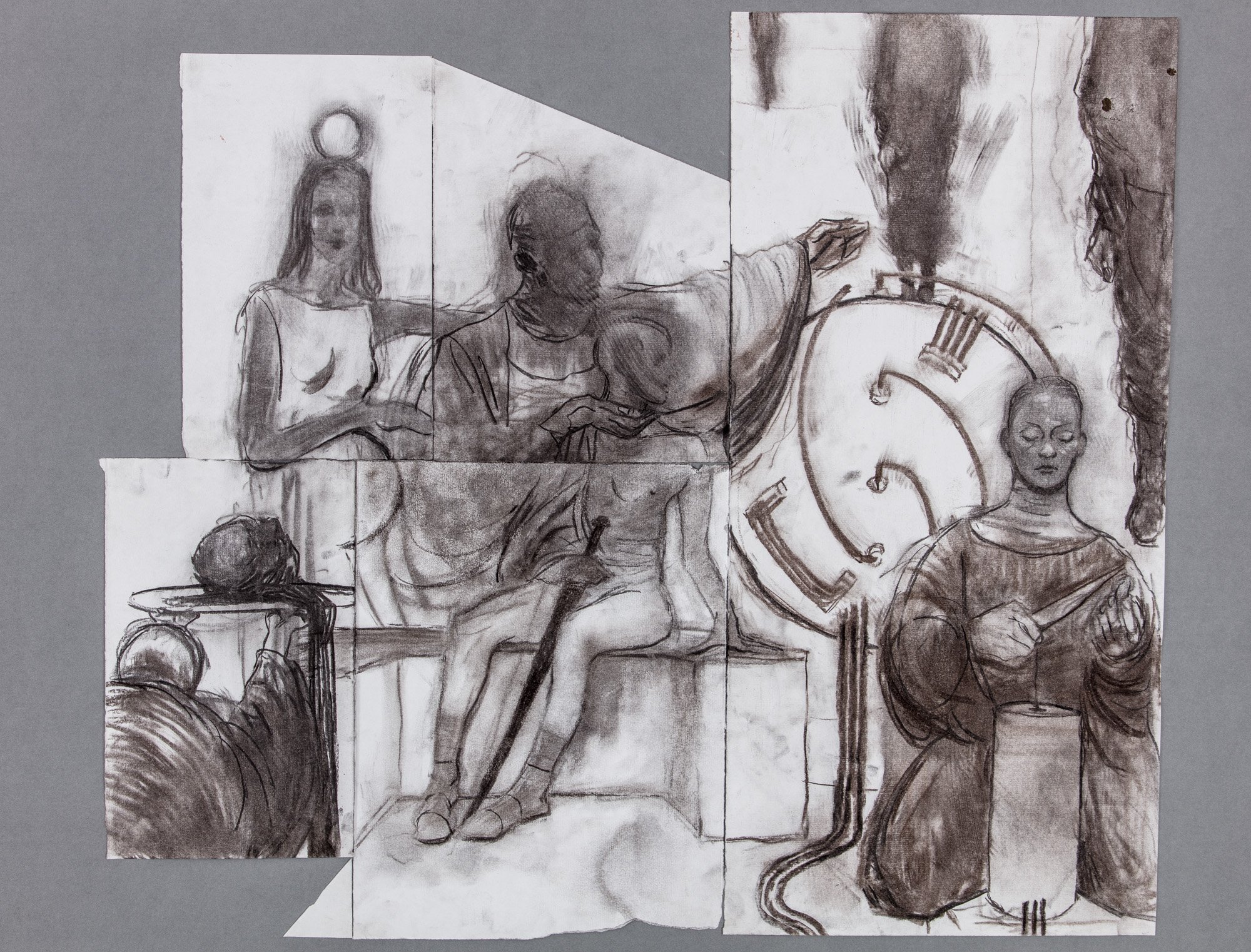
Dexter Orszagh Finished composition
Where

In the studio or at home. Access to a blank wall is useful if available.

Materials
  • Various sheets of paper. These could even be leftover scraps.

  • A large sheet of paper, a board, or a wall that pieces of paper can be affixed to.

  • Masking tape, pins, or Blu Tack.

  • Dry drawing media (pencils, charcoal, etc.).

  • Something to observe and draw from. This could be anything, including a model, existing artworks, or your own imagination.

Steps
  • Source your paper. This exercise is about using fragments of paper to add to and subtract from a composition. It is a great way to sustainably clear out offcuts and pieces of scrap paper that inevitably build up in the studio. You can also use fresh paper, too. Do not be afraid to mix different kinds of paper together. You will need at least four or five pieces to get started.
  • Prepare your surface. There is no limit to the scale you can work at in this exercise. It will depend on your surface. You will be adding and taking away pieces of paper as you work. If you have a large wall to work on, you can use bigger sheets of paper, but this exercise also works with small fragments on card or even within a sketchbook.
  • Attach a paper fragment to your surface using pins, Blu Tack, or masking tape on the back. Begin drawing. Draw right to the edges of the paper. Things can, and probably should, run off the edges.
  • Begin connecting other sheets of paper to the edges of the first sheet and expand the drawing outwards. Think about which direction your composition will move in. Will it get taller, wider, or both? Do not be afraid to expand your paper fragments to create long or narrow sections of the drawing.
  • As the drawing and connected fragments grow, consider what you can remove. Do certain areas need to be replaced? Can you cut certain fragments into new shapes to influence the composition, for example angled edges and triangles? Can areas be removed completely?
Final thoughts

This exercise is about considering how a drawing can expand from one point and break out of a typical format. It is also a great way to work up to large scales gradually, over time. Allow the fragments and drawings to evolve organically and remember to consider not just what might be added, but also what might be removed.