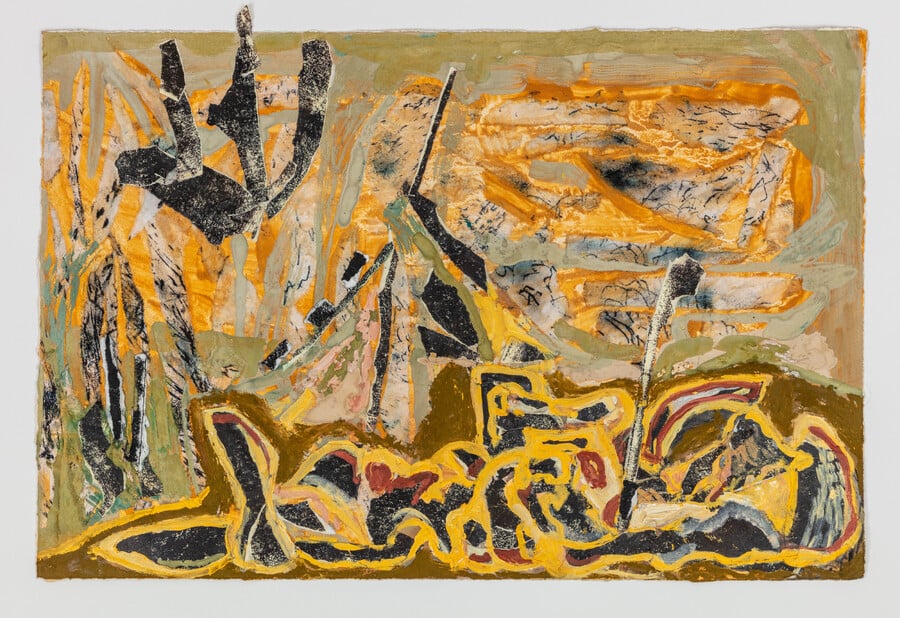
Teaching resource Collage and abstract space
Key Stage
Designed for students aged 11–14 (UK Key Stage 3 / Years 7–9), but adaptable for other ages.
Learning objectives
- Experiment with collage as a drawing technique.
- Understand what we mean by ‘positive’ and ‘negative’ space.
- Explore how organic and geometric shapes can impact the atmosphere of a drawing.
Learning outcomes
- Two fast-paced studies exploring positive and negative space, drawing from objects in our surroundings.
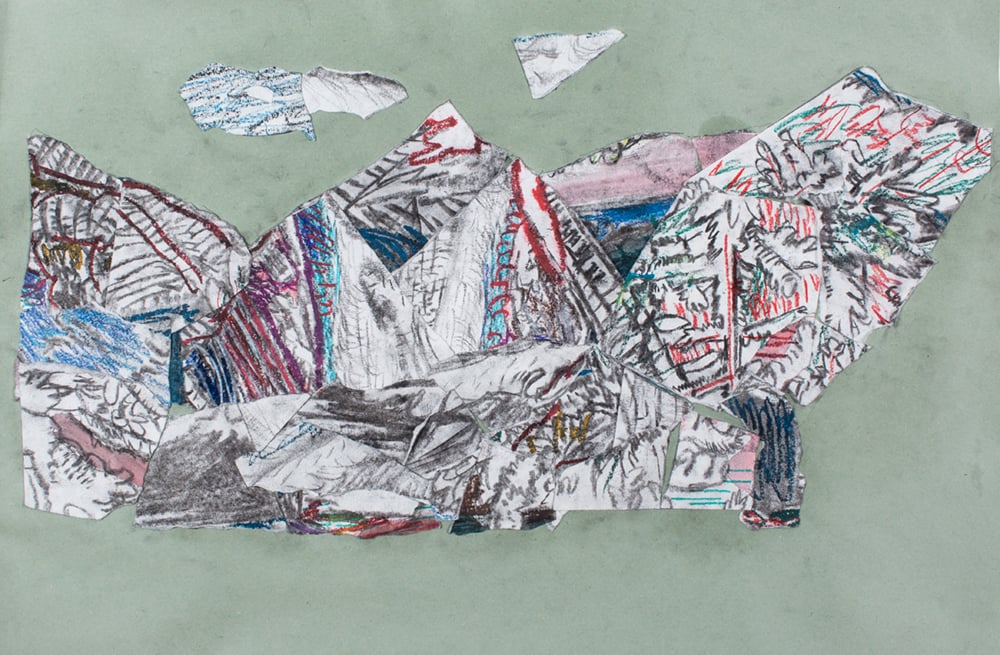
- An abstract collage composition, using organic and geometric shapes.
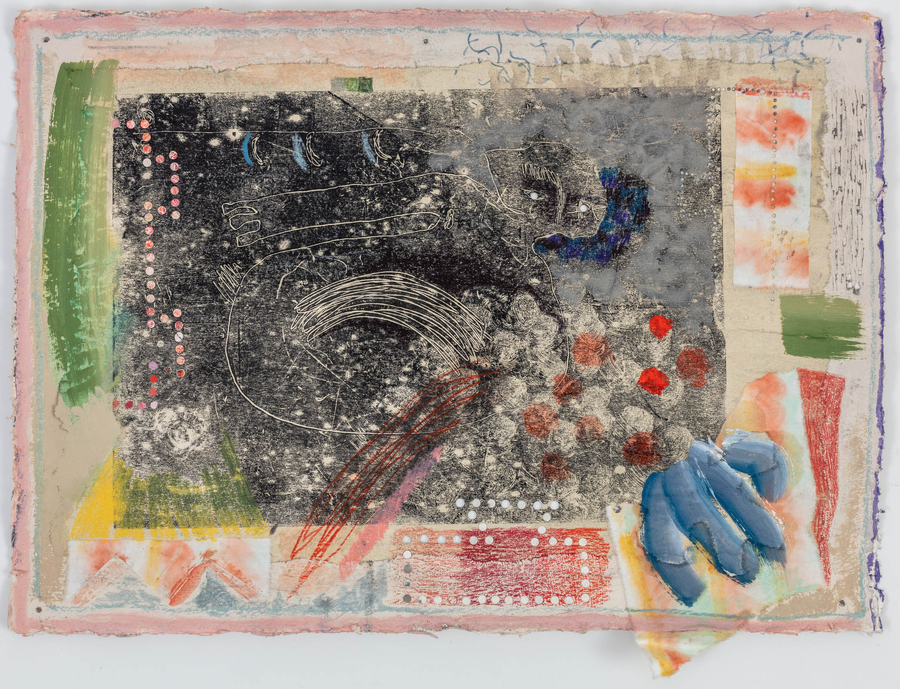
- A figurative collage composition, using mixed media (layering shapes and mark making).
You will need
- Pencils
- Pastels
- Colour Paper
- Scissors
- Glue
Introduction
In this class, we will explore shape, pattern and collage. Collage can help us explore spaces and shapes in a way that we wouldn’t normally through traditional drawing methods. You will look at how different artists utilise shape and pattern, ranging from abstract cutouts to figurative collages. This will help you consider how we can create balanced compositions, using pattern design techniques, such as:
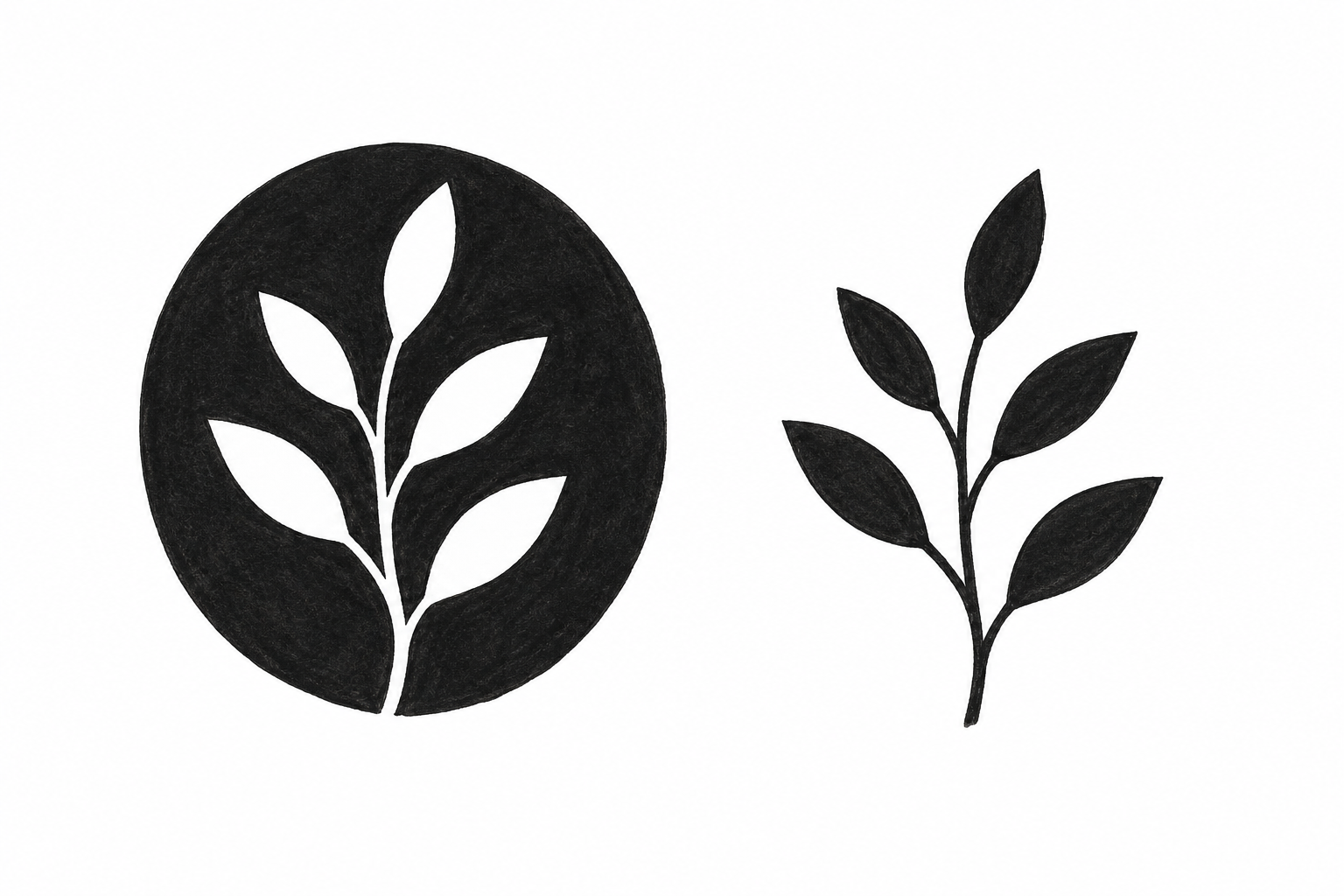
- Negative and positive space
- Repetition
- Organic and geometric shapes
Exercise 1
Draw the positive space of an object in front of you. The positive space is the actual object. Don’t draw anything around the object, just the object.
.png?width=1174&height=848&name=Screenshot%20(1).png)
Exercise 2
Now draw the negative space around the object. This is all the space surrounding the object. You should have an outline of your object.
.png?width=1255&height=874&name=Screenshot%20(2).png)
Exercise 3
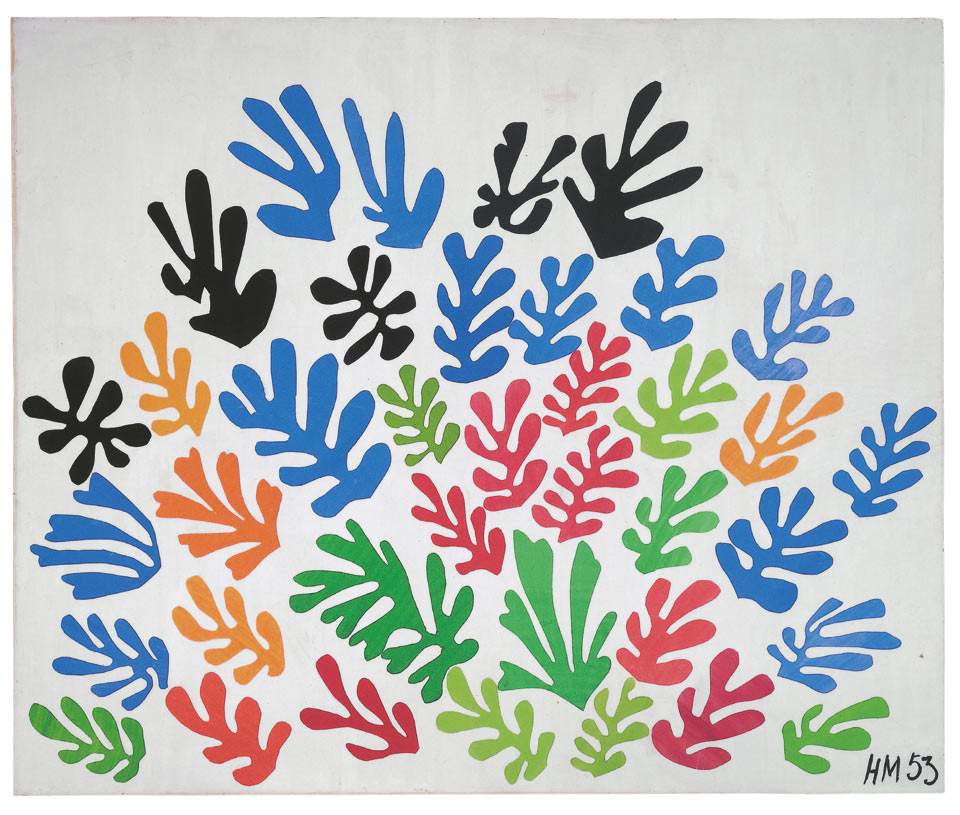
Using your paper and scissors cut out a biological shape. Look at the shape of seaweed and kelp forests. These objects tend to be flowing and rounded. Look at the paperwork of Henri Matisse for inspiration too.
Exercise 4
Now try cutting our geometric shapes. Shapes with defined corners and straight lines like buildings and screens.
Exercise 5
Remember a place that is important to you. Think about the weather, colour, temperature, smells and sounds of this place. Write them down.

Exercise 6
Using your biological and geometrical shapes lay them out to create the place you remember. You can cut out new shapes and draw into them as well. Think about how the arrangement of these shapes can create a new space.