Designed for students aged 14–18 (UK Key Stages 4–5 / Years 10–13), but adaptable for other ages.
Learning objectives
To explore the shape and weight of the skull and allow it to inform our portraiture.
To use anatomy to inform our drawings from imagination in the future.
Learning outcomes
A sustained skull study
An imagined portrait
A self portrait
You will need
Two sheets of paper
One sheet of tracing paper
Pencils
One coloured pencil
A skull (an image can be used instead)
A mirror
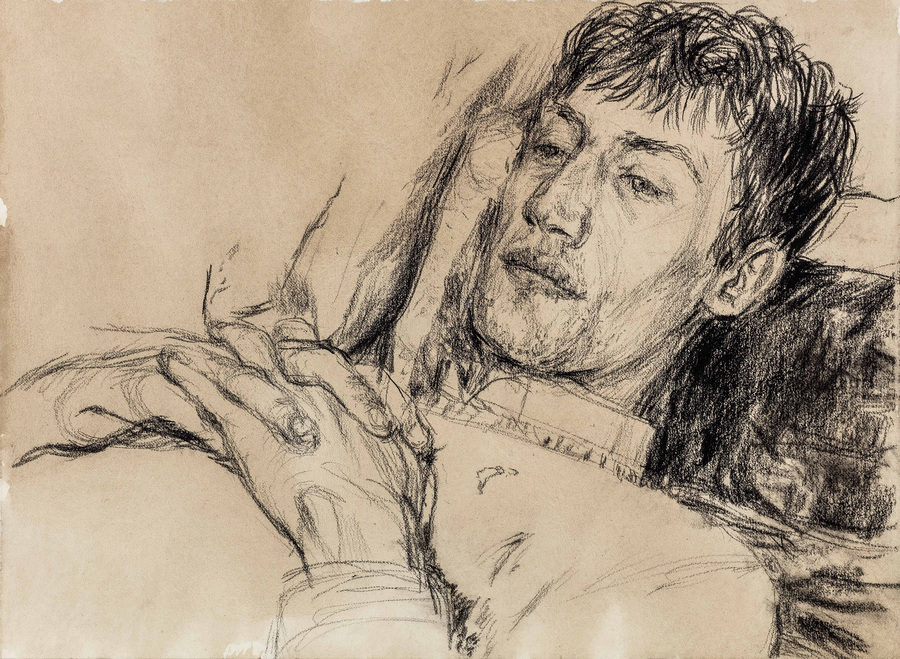
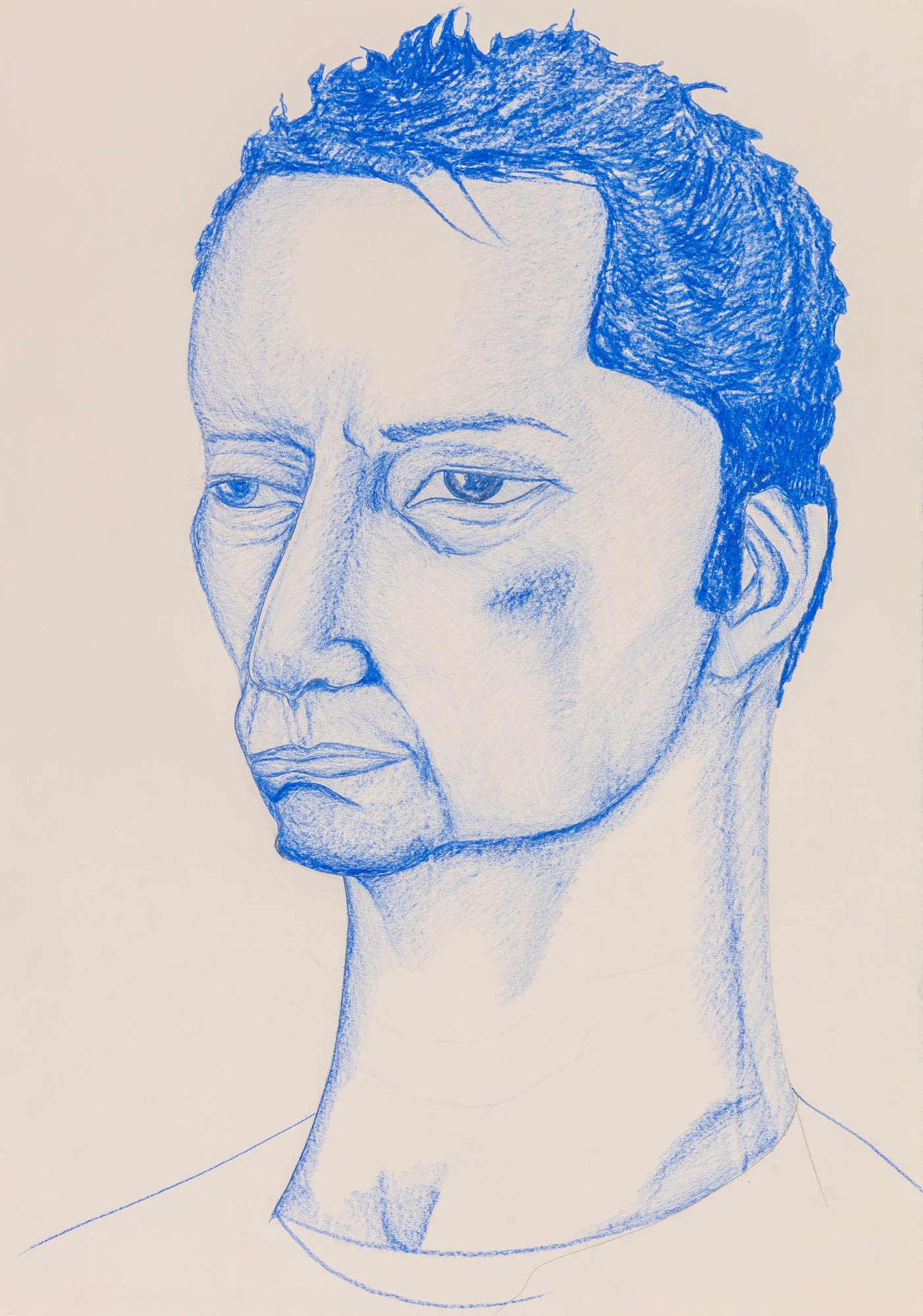
Oliver-Bijan Daryoush (AKA Bijan)Untitled first draft IIII
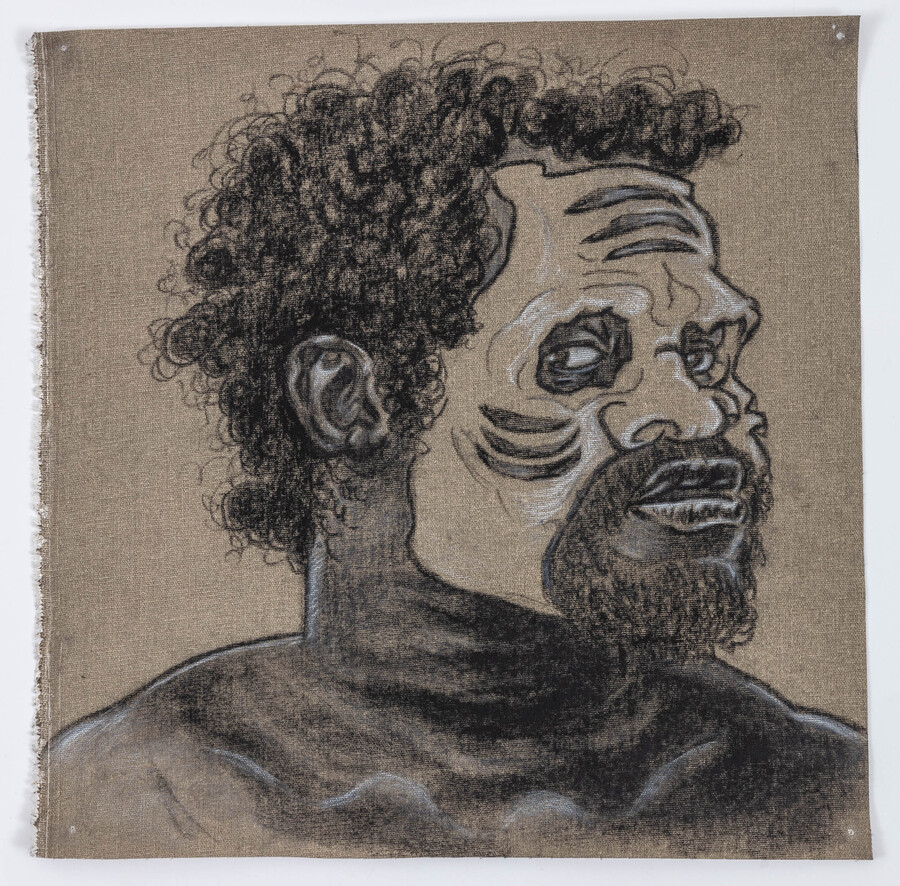
kevin ATARI Abimikukevin ATARI Abimiku
Exercise 1
Begin by drawing your skull. If you have an anatomical skull use that, if not use an image. Make sure you can see the face of the skull. Draw it in as much detail as possible. Try to capture the curves and shapes the skull makes.
The skull weighs as much as a bowling ball meaning it is heavier than we might imagine.
A common mistake is to also put the eye sockets too high, they are roughly half way down the skull.
Exercise 2
Place a sheet of tracing paper over the skull drawing. With your colour pencil you will draw an imaginary face on top of the skill. Try to position the features of the face as accurately as possible. You may have to touch your own skull to find where features sit in relation to the skull. The ears and lips in particular may be hard to place.
This is a useful exercise in exploring how the bone and skin relate to each other.
Exercise 3
Finally you will draw a self portrait. Imagine you have x ray vision and try to see the shape of your own skull. With this self portrait don’t become too fixated on individual features but instead try to get a clear overall shape of the head all within proportion.