
Introduction
Masks are vital tools for preserving heritage, embodying spiritual beliefs, and facilitating social cohesion. They enable transformation, allowing wearers to represent ancestors or spirits in rituals, mark life milestones, or perform in dramatic storytelling. These masks also maintain social order and protect communities.
Exercise 1
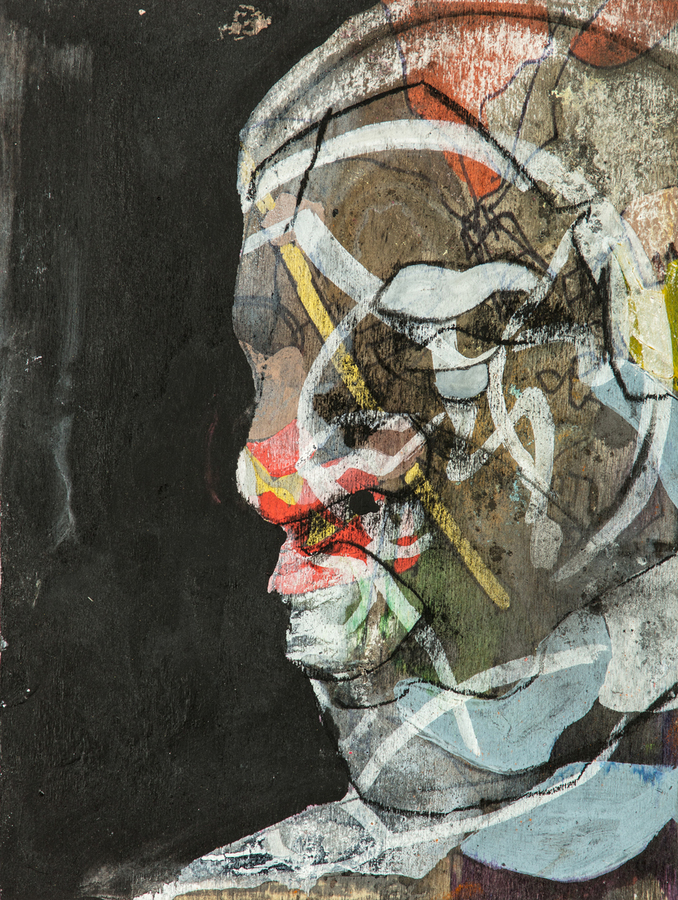
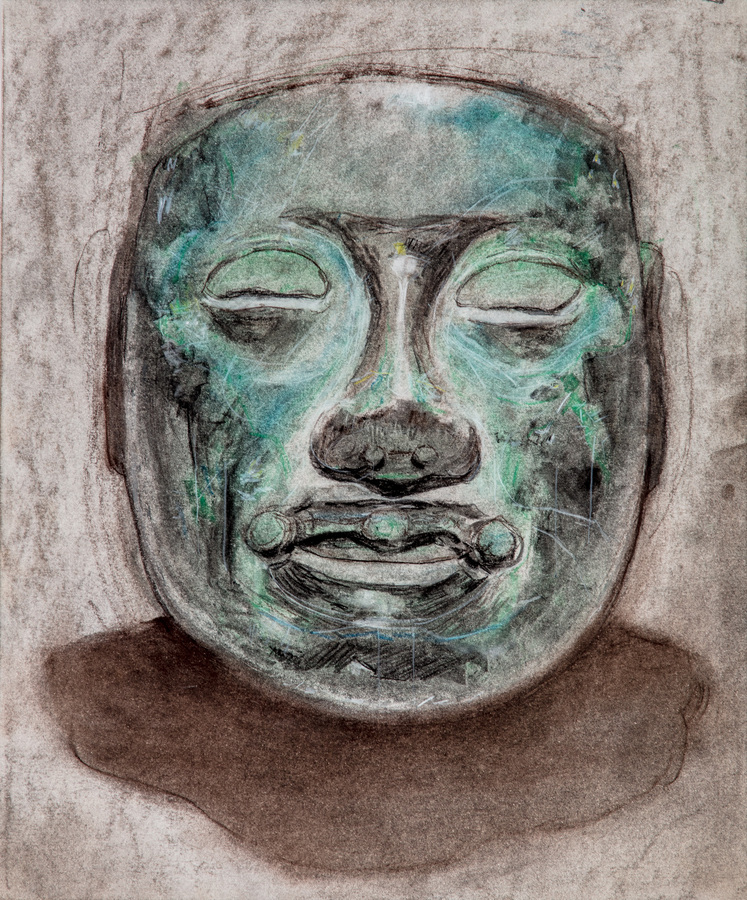
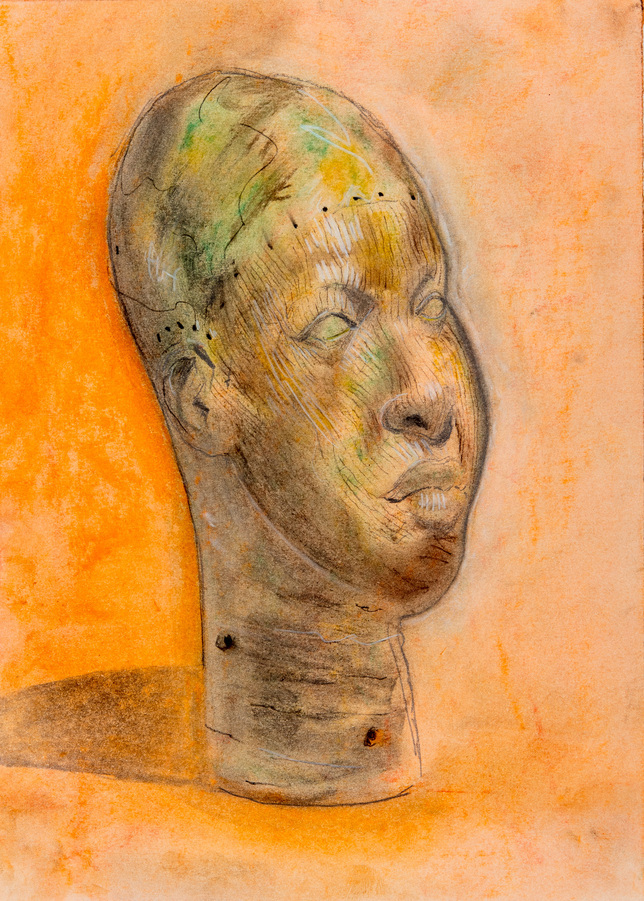
You will find some imagery of masks in an art book. If you do not have an appropriate book you can search online. Draw three quick studies of masks from different cultures.
Think about what their purpose might be. If they are scary why might that be?
Exercise 2
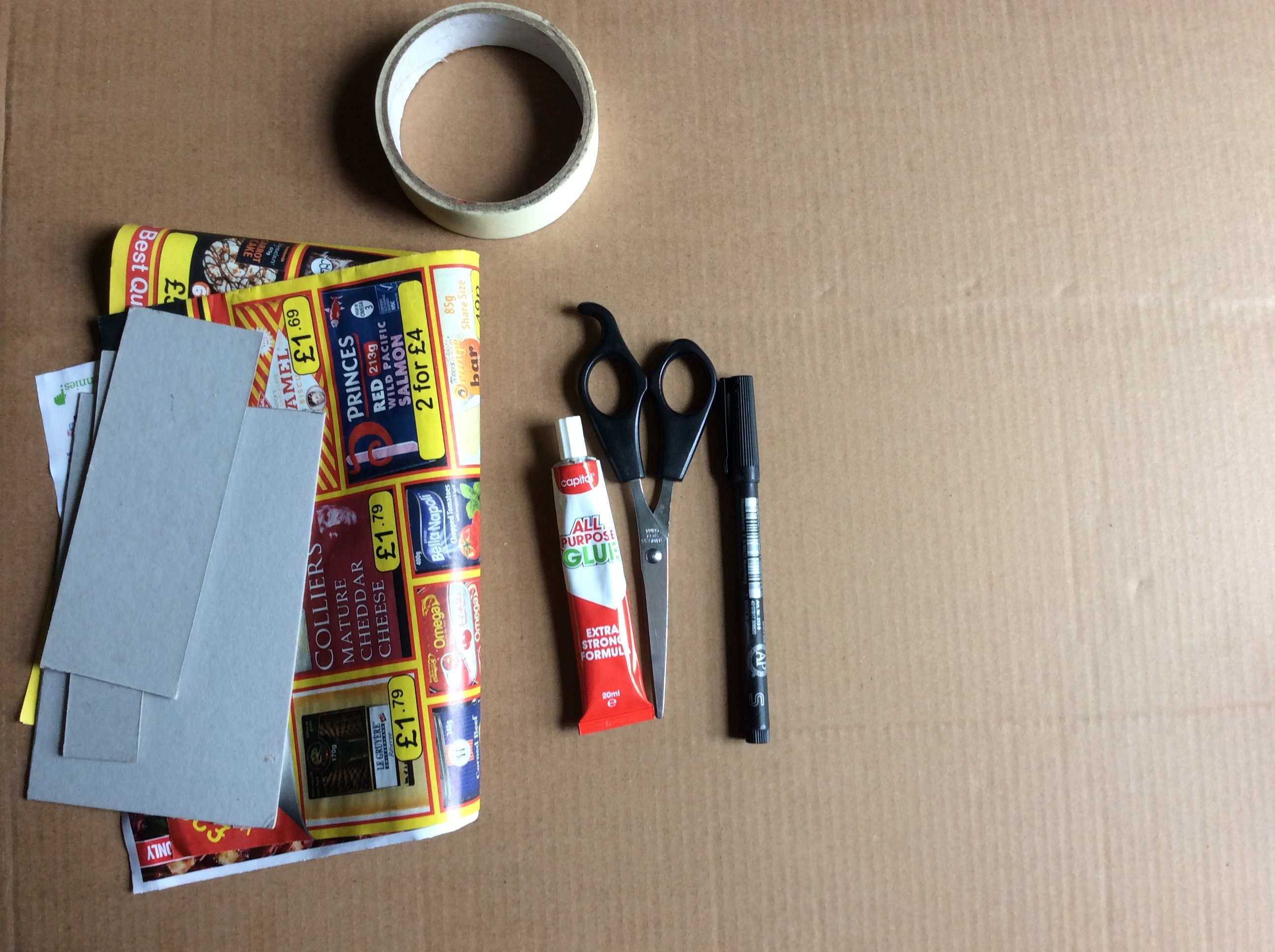
Using your found materials, create your own mask. Do you want it to be scary or friendly? You may want to exaggerate some features for dramatic effect. You can use glue or tape to stick it together.
You will create the basic shape of the face and then add the ears, nose and lips are objects that protrude from this basic shape.
Exercise 3
For the final exercise draw your mask from observation. Use tone to make it three dimensional. Consider if it is different drawing from a real object as opposed to a picture. Can you exaggerate the feeling you wanted your mask to convey so it is even more extreme?