Teaching resource Portraiture and expression

This resource will allow you to create a portrait with real expression.
Find more drawing exercises
McMillan-Scott-Esme_33
Key Stage
  • Key stage 3 (KS4) includes years 7 ,8 and 9, aged 11 to 14

Learning objectives
  • Explore the anatomy of the skull.
  • Use the model to create different expressions.
Learning outcomes
  • Warm up studies of the head
  • An anatomical study
  • Drawing of the model as a character

You will need
  • Pencils or charcoal
  • Drawing paper
  • Tracing paper
  • Life model
  • Anatomy skull (optional)
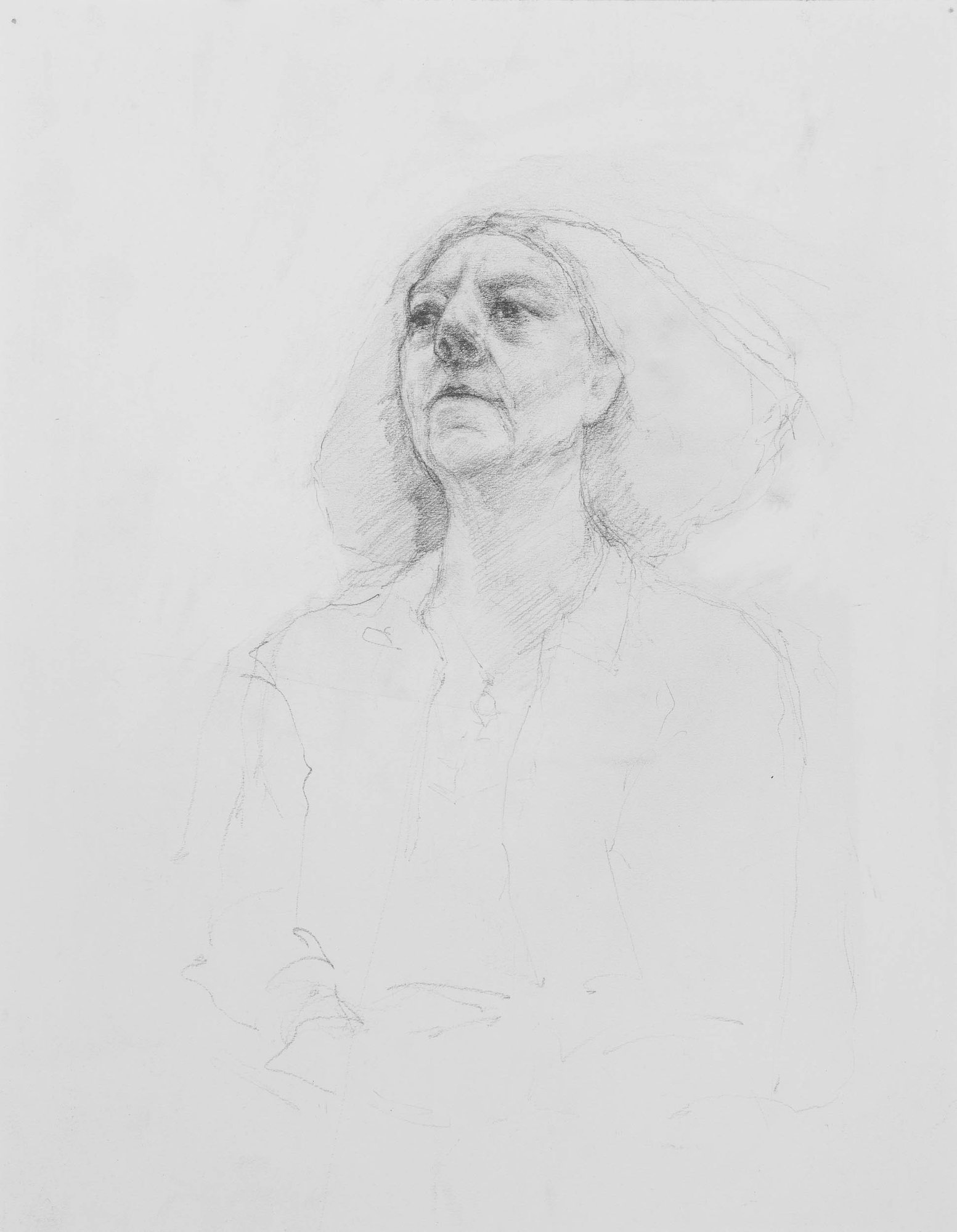
Walton_Kate_4
Kate Walton Head Study
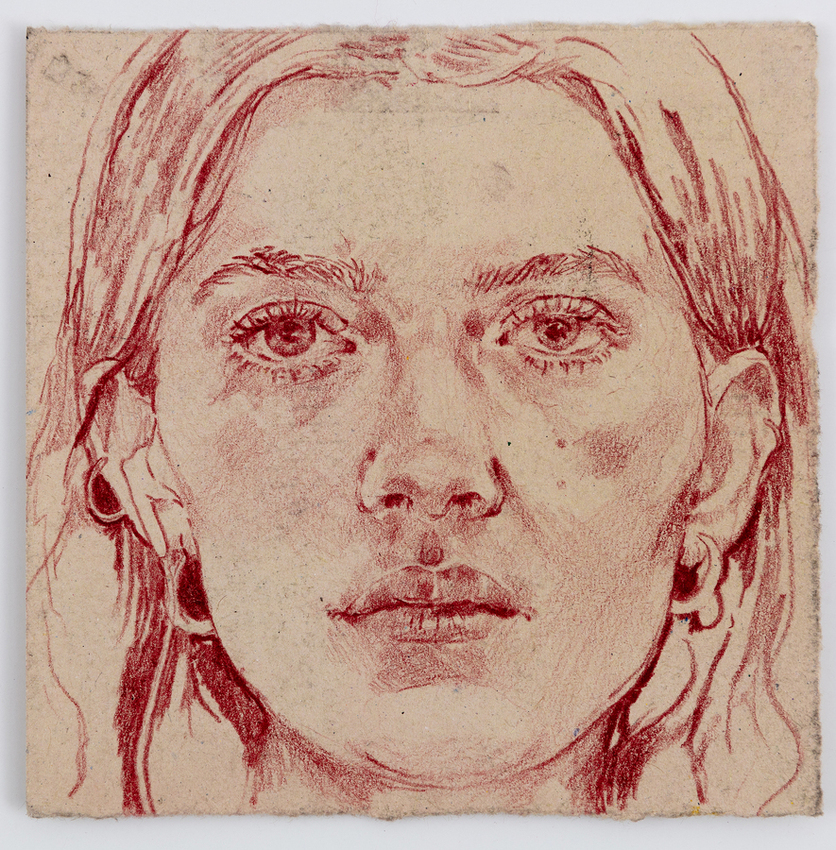
Snowden-Fine_Lily_9
Lily Snowden-Fine Adam

Exercise 1

Think of three dramatic facial expressions such as laughter, shock or despair. You will create three quick portraits of your model posing with these expressions. As these are quick focus on exaggeration, expression and dynamic line rather than visual accuracy. 

Exercise 2

Set up your anatomical skull to draw, if you do not have one you can copy our skull picture on the page or find one online. You will now draw the skull paying attention to the shape of the skull. Think about the shapes of the eye sockets, cheek bones and jaw. The eyes are about half way down the skull and a human skull weighs about the same as a bowling ball so try to contain this sense of shape and weight. 

Screenshot (15)

Screenshot (16)

Exercise 3

You will place a sheet of tracing paper on top of the drawing of the skull. Try to draw yourself form imagination on top of the skull. Use your hands to feel where your ears and eyes are placed in relation to your skull. This will help you understand how the facial features relate to the shape of the skull. 

Remember the eyes are very small in relation to the skull so resist the temptation to make them too big. 

Exercise 4

For the final exercise let the model take on an exaggerated pose of laughter. Think about what you have learnt from the structure of the skull. This will give your drawing a clear structure and make the expressive element of the features and models face more believable to the viewer.